
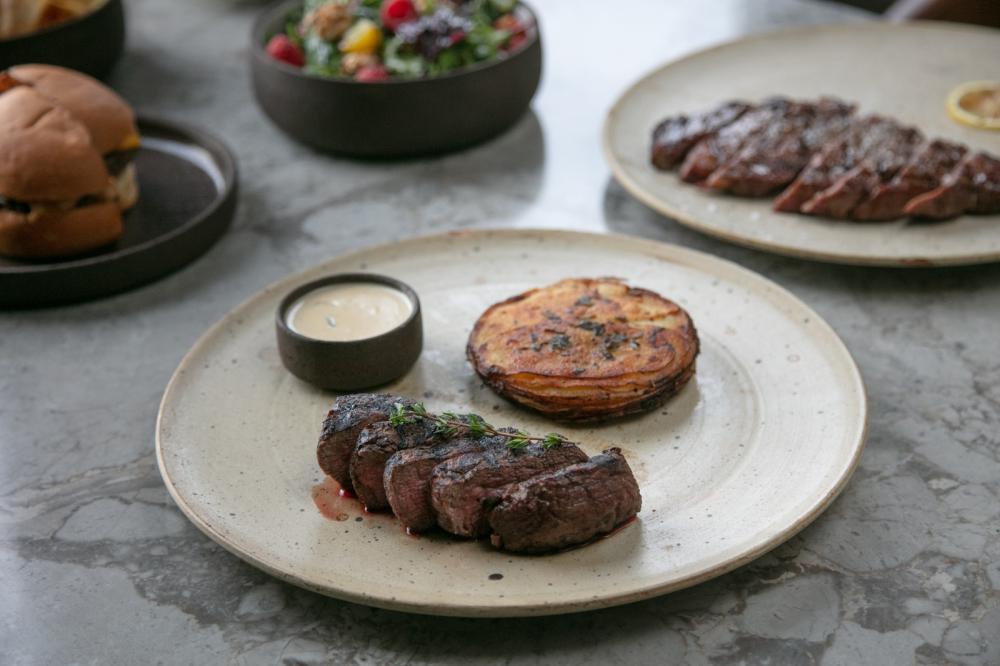
When we talk about premium meats, prime rib stands out as one of the best options that can grace the dining table. Its high quality and tenderness make it the perfect choice for any occasion. But how can you achieve that rich flavor that makes every bite an unforgettable experience? In this article, we will reveal the secrets of slow cooking and how to use it to enhance the flavors of prime rib, turning every meal into an exceptional experience. Get ready to dive into the world of slow cooking and discover the steps necessary to prepare a perfect dish that leaves a lasting impression!
The Secret of Slow Cooking: How It Transforms Prime Rib Cooking?
Slow cooking is one of the secrets to achieving the perfect prime rib, allowing flavors to meld with the meat over long hours. This technique gives the meat a chance for the fibers to become tender, making every bite of prime rib unforgettable. Slow cooking also ensures that the meat retains all its juices, enhancing the rich taste and allowing for a unique experience akin to eating a ribeye steak at Marble.
From Farm to Table: The Journey of Prime Rib Towards Luxurious Flavor
The journey of prime rib begins on the farm, where the best high-quality meats are selected to ensure a luxurious flavor. The care in raising livestock and choosing the right feed contributes to producing meat that has a wonderful marbling, making Marble burger an enticing option. This journey translates into a rich flavor that travels from the farm to your table, making every meal a special experience.
The Perfect Balance: How to Achieve Tenderness and Flavor in Every Bite
To achieve the perfect balance in prime rib, attention must be paid to the cooking process and timing. Choosing the right time to cook the meat helps to highlight its flavor and tenderness. When cooked at a low temperature, the nutritional factors and juices are preserved, making every bite of ponzu steak bursting with flavors. Meat lovers can enjoy a cooking experience that reflects the diversity of ribeye steak flavors at Marble.
Flavor Experience: The Spices That Make Prime Rib Unforgettable
Spices are an essential element in preparing prime rib, significantly enhancing the flavor. Choices like garlic, thyme, and sea salt make the meat a rich and enjoyable experience. It is recommended to use special seasonings that highlight the unique taste and texture of Marble, ensuring that every bite of prime rib stays in memory. The experience extends beyond cooking; it transcends into the flavor that is locked in every slice.
The Hidden Secrets of Temperatures: How Do They Affect Taste and Texture?
Temperature is a crucial factor in preparing prime rib, directly affecting taste and texture. Cooking at low temperatures allows the fat to break down slowly, giving the meat an ultra-tender texture. This is why eating ribeye steak at Marble can be a completely different experience from other meats, making it worth every effort put into its preparation. Mastery in cooking lies in knowing these secrets and using them perfectly.
The Art of Presentation: Innovations to Impress Your Guests When Serving Prime Rib
When it comes to serving prime rib, the art of presentation plays an important role in making a great impression on guests. Elegant serving platters can be used, adding some garnishes like fresh herbs or grilled vegetables. Prime rib can also be served with distinctive sauces such as black pepper sauce or innovative barbecue sauce. Presenting it in a unique way makes it unforgettable, ensuring that your guests will remember the moment they enjoyed this delicious dish.
Different Recipes: New Ways to Enrich the Flavor of Your Prime Rib
You can experiment with various recipes to enrich the flavor of prime rib, such as preparing it with a mix of classic and modern spices. You can also add a special touch using sauces like smoked brisket sauce or a blend of chili and lemon to impart an exciting flavor. These recipes will add a new dimension to the prime rib dining experience, making it suitable for every occasion and all tastes.
From Grilling to Slow Cooking: Why Do Professional Chefs Prefer This Method?
Slow cooking is considered one of the best ways to prepare prime rib, allowing professional chefs to achieve the perfect balance between tenderness and flavor. While grilling enhances the smoky taste, slow cooking provides an opportunity to break down the fat perfectly, resulting in juicy meat. This method is also ideal when preparing dishes like filet mignon, making it a preferred option for many chefs in fine dining restaurants.
Chef Experiences: Personal Stories About Slow Cooking Prime Rib
Every chef has a story about their experience with prime rib, sharing secrets on how to achieve the best taste. Some experiences narrate how slow cooking enabled them to prepare the most delicious dishes, like the mouthwatering ribs at Marble restaurant, where all juices and flavors are preserved. Each chef has their unique rituals in preparation, making every cooking experience a unique and unforgettable moment.
The Perfect Finish: How to Retain Flavor After Cooking?
After finishing cooking the prime rib, an important step comes to preserve its unique flavor. It is recommended to rest the meat for about 10 to 15 minutes before slicing, allowing the juices to redistribute. You can serve it with a delicious sauce that enhances its flavor, like the special sauce from Marble restaurant, which adds a touch of luxurious flavor. Maintaining the quality of the flavor after cooking makes the experience of dining on prime rib exceptional and unforgettable.